
Nobusuke Tagomi's Moral Injury
The Man in the High CastleA high-ranking Japanese official listens to the horror of the Nazi Empire, kills two men, and loses the ground beneath his own soul.
increasing Bearing strength in each event
 decreasing
Bearing strength in each eventdecreasingThe Oracle at Noon
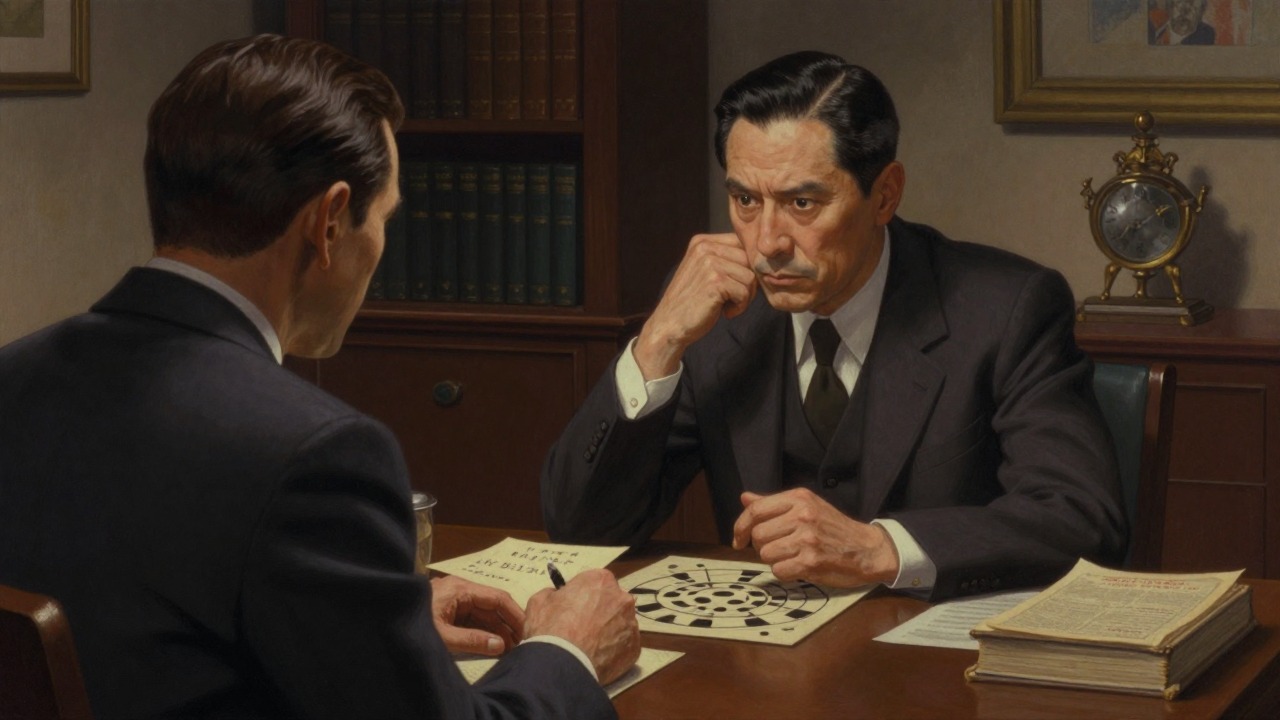
The Oracle at Noon
Context
Nobusuke Tagomi is introduced as a careful bureaucrat who consults the I Ching before business meetings. He is worried about his new client and about a coded cable concerning Mr. Baynes.
Turning Point
His intuition tells him Mr. Baynes is a spy, but he cannot guess to what purpose. He decides to treat him as a guest while concealing everything else.
Significance
Tagomi's fate is bound to the I Ching from the beginning. The book is his way of perceiving the hidden currents of the moment.
Listening to Evil
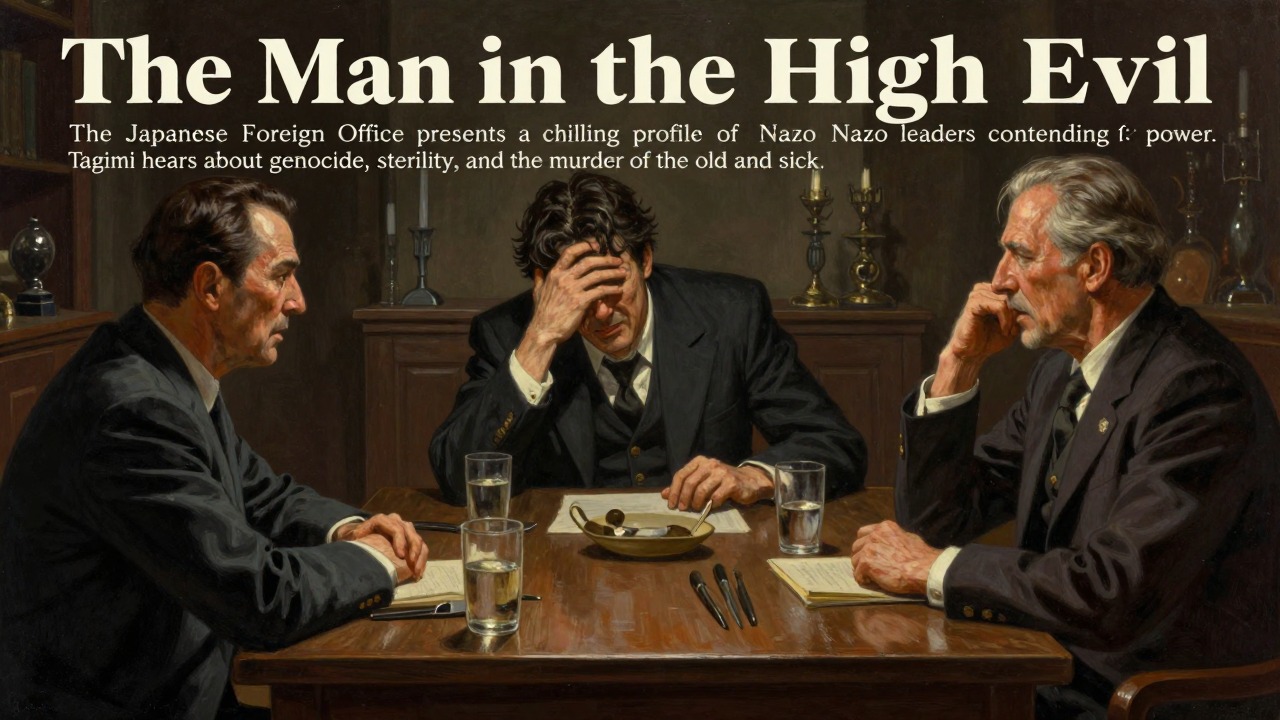
Listening to Evil
Context
The Japanese Foreign Office presents a chilling profile of the Nazi leaders contending for power. Tagomi hears about genocide, sterility, and the murder of the old and sick.
Turning Point
He flees the meeting in a panic attack, feeling that evil is as solid as cement in the world. He no longer trusts the order around him.
Significance
Tagomi's soul has been cracked open. The rest of his fate is a desperate search for a way to live in a world that contains so much darkness.
The Killing
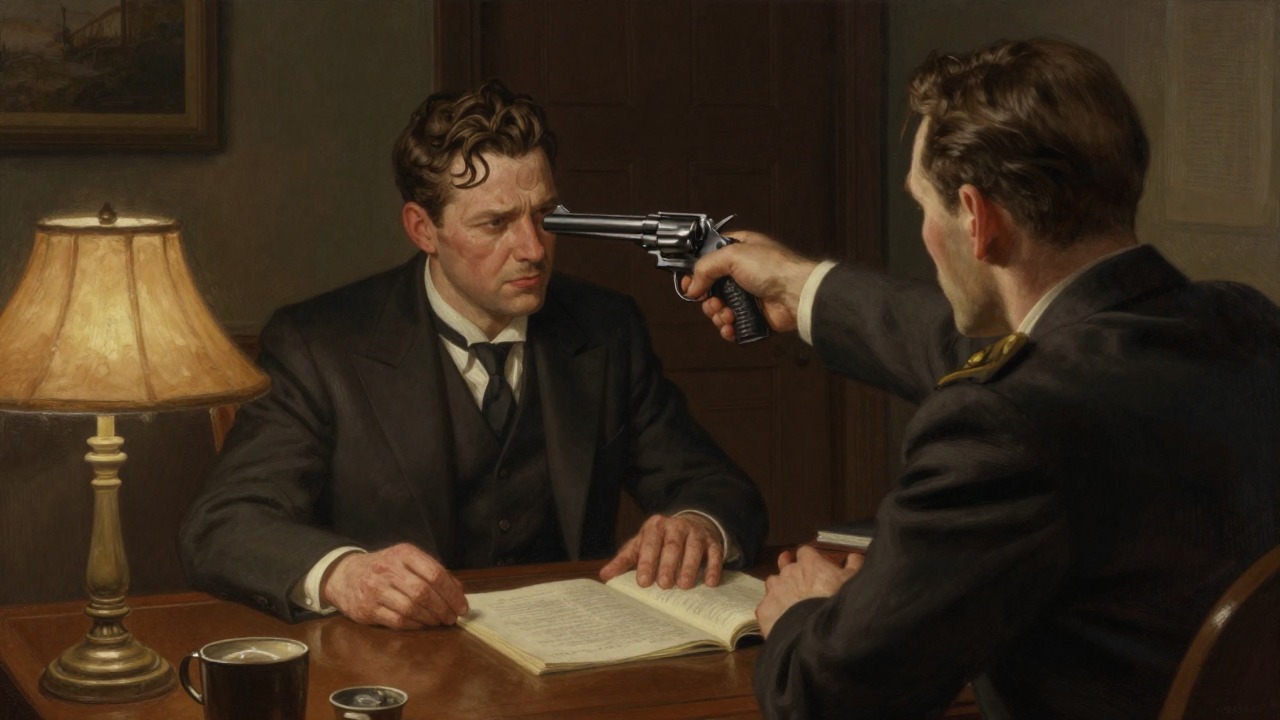
The Killing
Context
When the SD bursts in, Tagomi acts without thought, raising the antique Colt and firing. He kills one man and mutilates another in front of his own desk.
Turning Point
Afterward he is sickened and cannot understand why this was necessary. General Tedeki says he will recover his equilibrium, but Tagomi feels only the weight of the blood.
Significance
The shooting is the great rupture of Tagomi's life. It turns a serene bureaucrat into a moral casualty.
The Park Vision
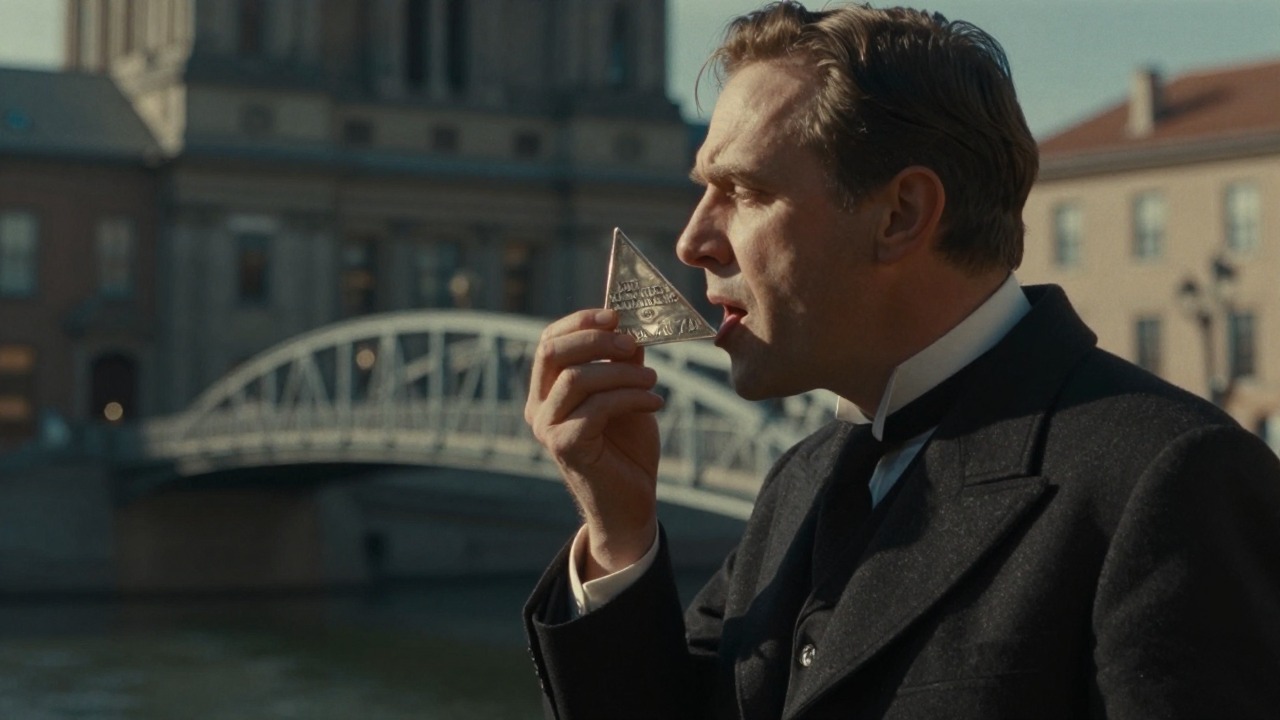
The Park Vision
Context
Tagomi carries the Edfrank silver triangle to Portsmouth Square and tries to understand its meaning by holding it, shaking it, even licking it. He is desperately seeking a sign.
Turning Point
In the sunlight, the silver seems to become a bridge from the dark metal of the earth to the light of heaven. He feels he is about to glimpse the Bardo Thodol, the afterlife, until a policeman interrupts.
Significance
The vision does not save him, but it points toward an alternative world of light and meaning. Tagomi's search is not over, only broken off by the cost of his act.
Heart Attack and Release
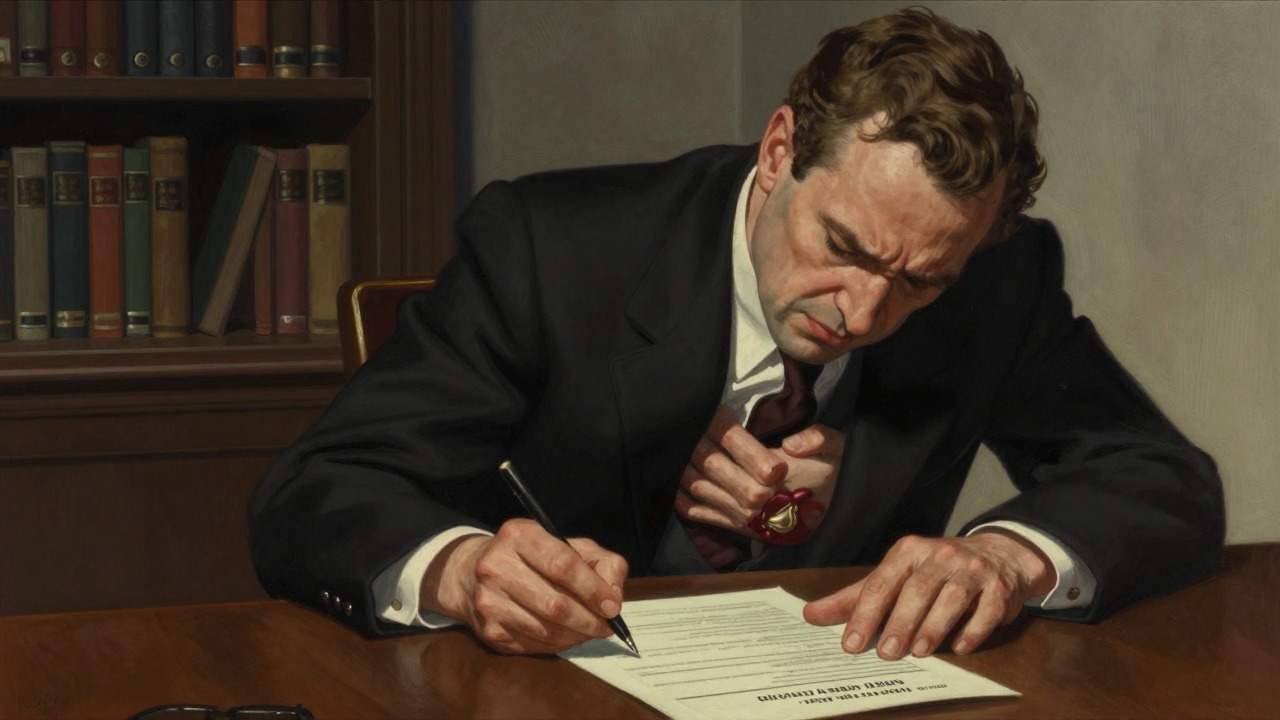
Heart Attack and Release
Context
Tagomi refuses to be soothed by Consul Reiss and then, almost casually, overrides the Reich's extradition of Frank Frink. He signs Release on the form.
Turning Point
In the middle of his anger, his body gives way. He collapses with a heart attack, whispering that he has a small one and must notify his wife.
Significance
The heart attack is a physical answer to his moral injury. Yet his last meaningful act is to save a man's life, a small redemption inside the chaos of his own body.
before the first meeting with Robert Childan
at the Japanese Embassy meeting after Bormann's death
the instant of the SD assault
after Tagomi trades away his Colt and buys the silver triangle
after the confrontation with Hugo Reiss
